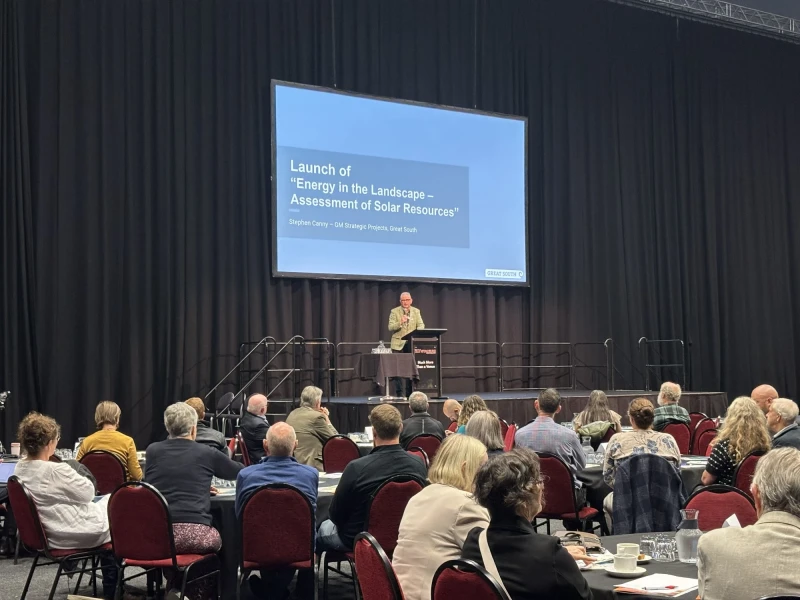
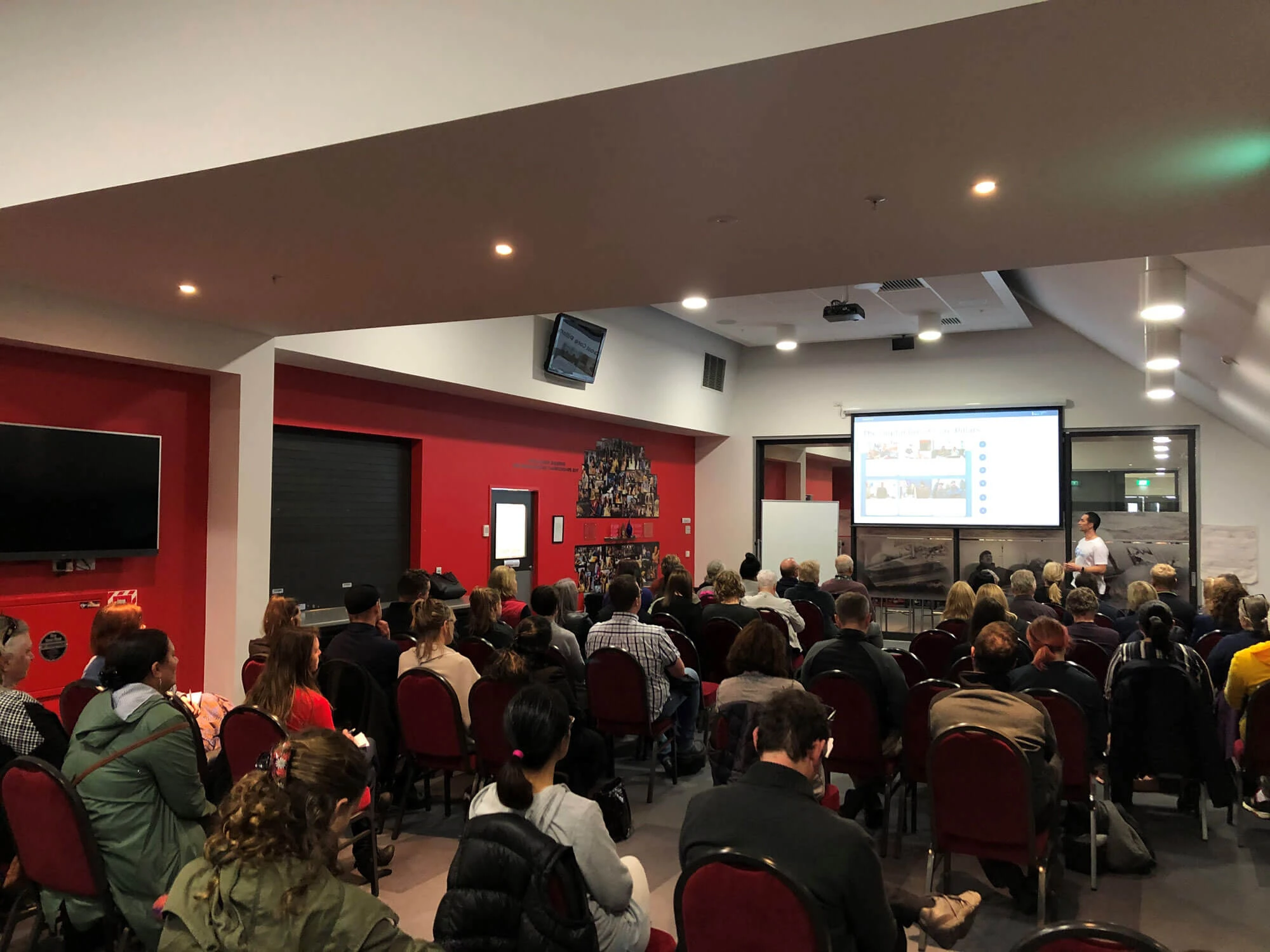


The new regional guide was launched in Gore on 24 November. It features places that tell a wide range of Southland stories, from Māori celestial knowledge and the Mataura River to the region’s first farm, a working flax mill and a Jurassic-era petrified forest.
Great South worked with iwi partners and local councils to nominate Motupōhue Bluff Hill, Mata Ura Awa | Mataura River and the Matariki Wayfinding Journey. The nominations were part of a wider process involving heritage organisations, volunteers and people with deep knowledge of the region.
Tohu Whenua Murihiku Southland Project Manager Jill Mitchell-Larrivee said the enthusiasm and knowledge shared by Southlanders had helped shape the new guide.
“By working together, we have achieved a good cross section of Southland’s history, including the first maunga and first awa ever to be added to Tohu Whenua.”
The Mataura River is the first river to be recognised in the programme. At the launch, Hokonui Rūnaka representative Jo Brand spoke about the awa as a connector and a source of life, linking people to the whenua, their tūpuna and future generations.
Gore Mayor Ben Bell said the river’s recognition was a proud moment for the district and an opportunity to share its cultural, historical and environmental significance with visitors.
The seven sites are the Matariki Wayfinding Journey, Kingston Flyer Railway, Mata Ura Awa | Mataura River, Templeton Flax Mill, Southland Rural Heritage Centre, Motupōhue Bluff Hill and Tumu Toka Curio Bay.
Many offer experiences that bring history to life. Visitors can see flax-processing machinery in action, ride the Kingston Flyer, explore railway precincts, visit heritage displays and workshops, or experience interactive storytelling at Tumu Toka Curio Bay.
The new guide also connects with existing visitor experiences. The Kingston Flyer Railway, Mataura River and Matariki Wayfinding Journey overlap with the Around the Mountains Cycle Trail, creating opportunities to link heritage visits with a Great Ride.
Tohu Whenua Programme Manager Caroline Toplis said partnerships with regional tourism organisations such as Great South helped connect significant heritage places with visitors. Murihiku Southland’s addition brings the programme across much of Te Waipounamu, alongside Otago, the West Coast and Canterbury.
The Tohu Whenua programme is funded through the International Visitor Conservation and Tourism Levy, administered by the Department of Conservation.