


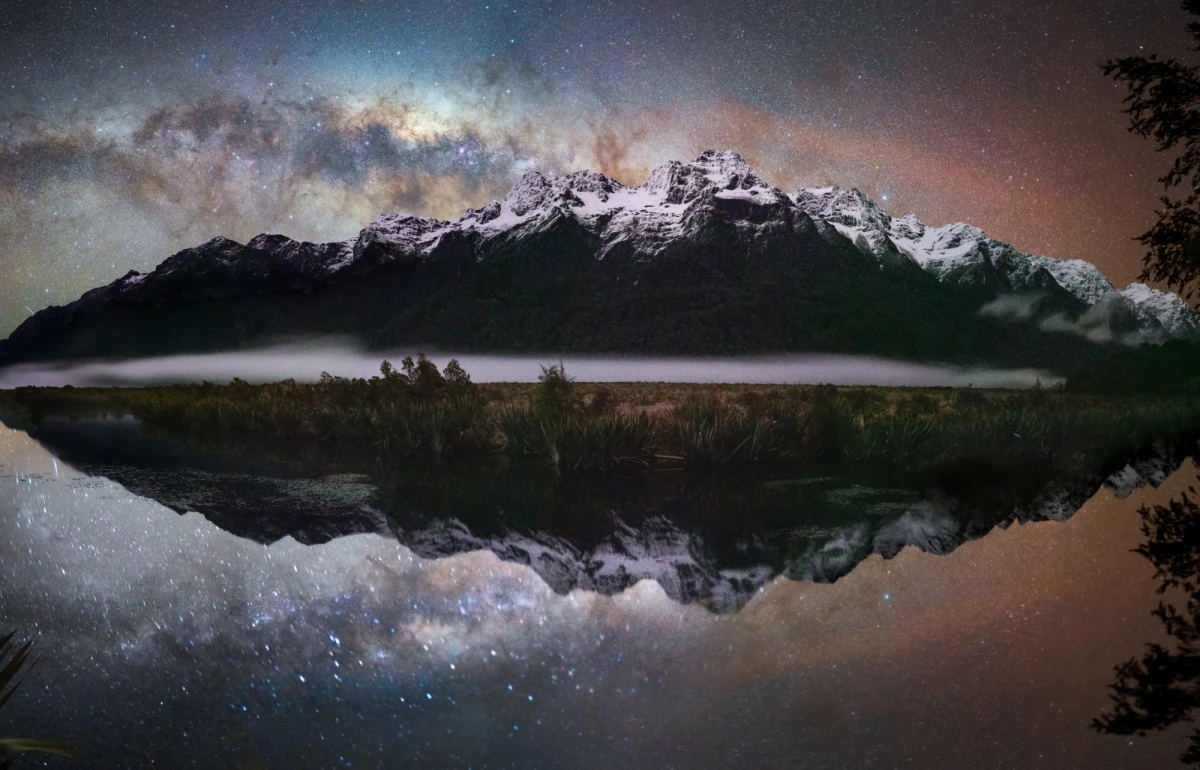
The accreditation recognises Fiordland’s exceptional natural darkness and the shared commitment to protecting it for the future.
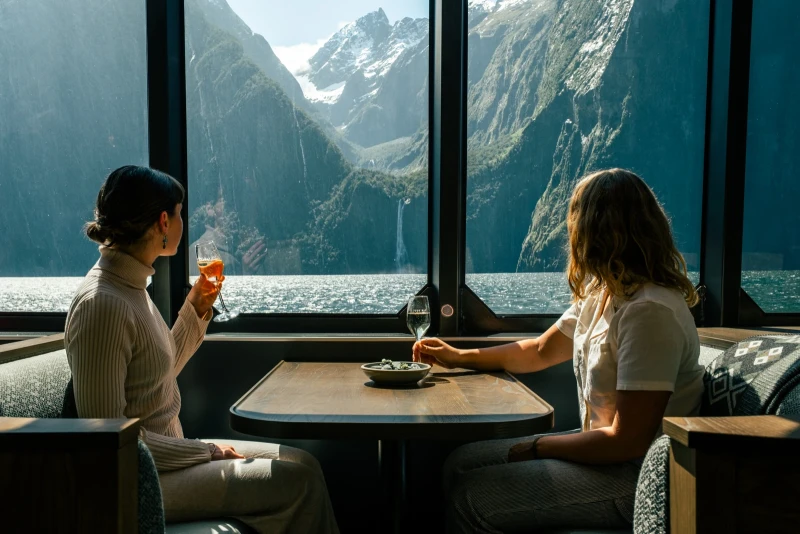
Covering 12,607 square kilometres, Fiordland is Aotearoa New Zealand’s largest national park. Its DarkSky International designation makes it the world’s third-largest International Dark Sky Park and the largest in the Southern Hemisphere.
The accreditation follows several years of work led by Great South in partnership with the Department of Conservation (DOC), with support and involvement from mana whenua, the Fiordland community, tourism and conservation organisations, businesses and local dark sky advocates.
DarkSky International Places Programme Manager Amber Harrison said the accreditation recognised Fiordland’s significance as a large-scale conservation area.
“Fiordland’s extraordinary scale and natural darkness are an integral part of what makes this landscape exceptional. Protecting its night skies is a natural extension of protecting the resources of the land. Equally as important is the appreciation of the night sky’s cultural significance, reflected in Māori knowledge, navigation, seasonal cycles and Matariki.
“The commitment to conservation extends beyond the park, with efforts underway to incorporate dark sky protection into future district planning as the region grows. This certification represents a significant contribution to large-scale dark sky conservation in New Zealand,” she said.
The accreditation adds to Fiordland’s international recognition as part of the UNESCO Te Wāhipounamu World Heritage Area. It also means Murihiku Southland is now home to two internationally recognised dark sky places, alongside the Stewart Island Rakiura International Dark Sky Sanctuary.
Great South Destination Development Manager Amie Young said the accreditation reflected years of collaboration and commitment from across the region.
“Fiordland’s night skies are a special part of the place, and this accreditation recognises the years of monitoring, education, and collective effort that have helped protect them. It’s a significant achievement for Fiordland and for Murihiku Southland’s wider dark sky story.
“It also creates opportunities to help visitors connect with Fiordland in new ways, while encouraging a better understanding of why natural darkness matters and how we can all help protect it.”
DarkSky International President Nalayini Brito-Davies provided the nomination letter for Fiordland after experiencing the outstanding darkness of its night skies while walking the Milford Track. Ms Brito-Davies is a New Zealander and the first non-American to become president of DarkSky International. She has been spearheading the initiative to make New Zealand a “Dark Sky Nation”.
In her nomination, Ms Brito-Davies said Fiordland’s accreditation was an important step towards that goal.
“The certification of Fiordland, which accounts for 4.7% of this country’s land mass, is a huge step towards achieving the ultimate goal of Dark Sky Nationhood for New Zealand.
“Its scale, exceptional natural darkness and strong local commitment create a valuable opportunity to protect the night environment and help visitors from around the world understand the importance of dark skies.”
DOC Te Anau Operations Manager John Lucas said protecting Fiordland’s natural darkness was part of caring for the park’s wildlife and ecosystems.
“Many native species rely on natural light cycles. This accreditation recognises the importance of managing artificial light carefully, allowing lighting where it is needed for safety and essential operations while limiting its impact on the night environment.”
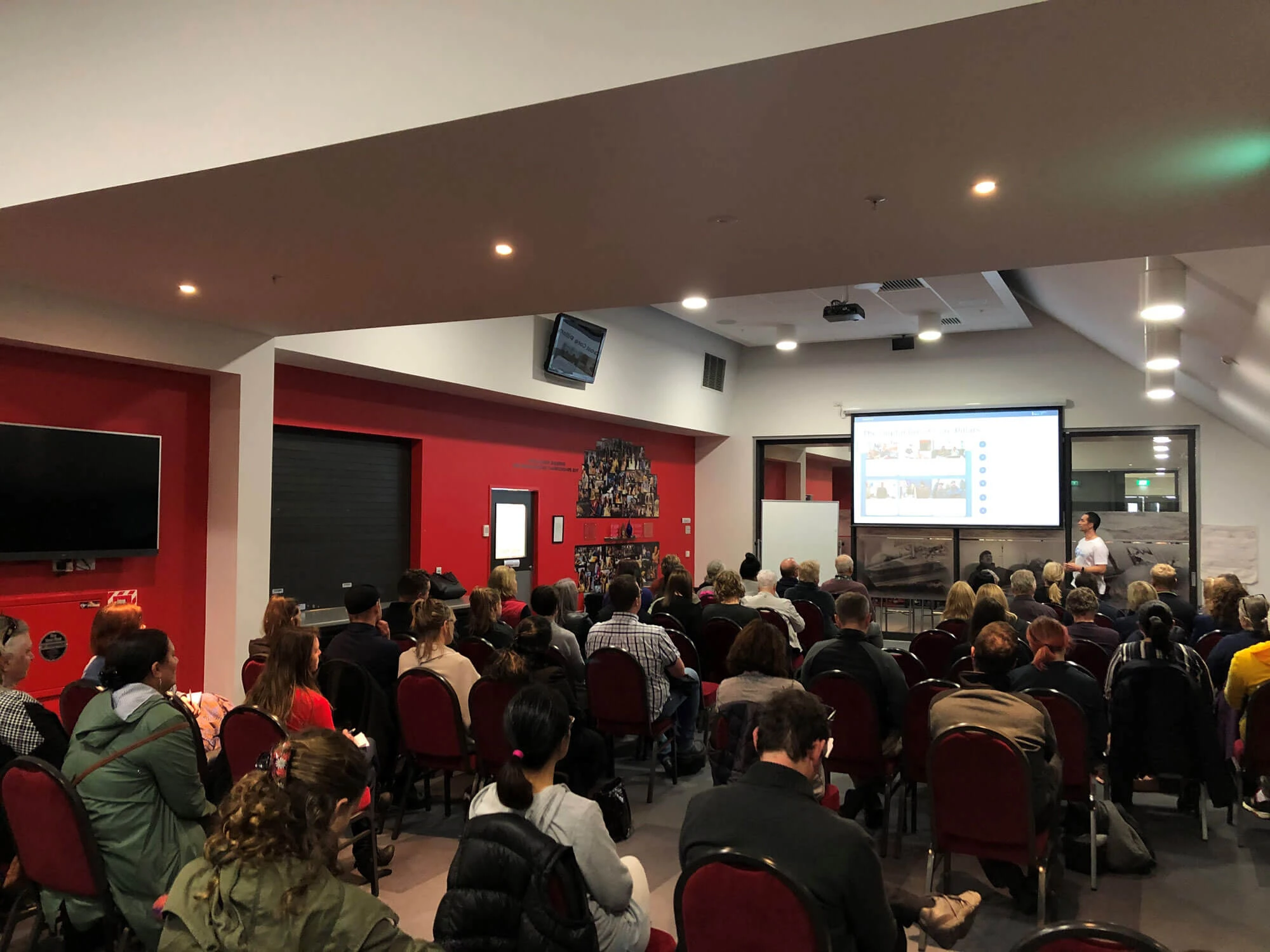
Work to support the accreditation has included monitoring sky quality, assessing public lighting and making improvements, as well as community engagement and education. A Lighting Management Plan will guide the ongoing management of outdoor lighting in the park.
Known to Ngāi Tahu as Te Rua-o-te-Moko, Fiordland also holds deep cultural significance for mana whenua. The night sky is connected to mātauranga Māori, navigation, seasonal knowledge and Matariki. Protecting natural darkness helps ensure the night sky and its cultural significance can continue to be experienced and shared with future generations.
International Dark Sky Park status brings an ongoing commitment to protect Fiordland’s night skies. Future work will include continued monitoring, lighting management, education and interpretation, and exploring opportunities for visitor experiences and cultural storytelling.
About the International Dark Sky Places Program: Founded in 2001, the International Dark Sky Places Program is a non-regulatory and voluntary program encouraging communities, parks, and protected areas worldwide to preserve and protect dark sites through effective lighting policies, environmentally responsible outdoor lighting, and public education. When used indiscriminately, artificial light can disrupt ecosystems, impact human health, waste money and energy, contribute to climate change, and block our view and connection to the universe.
Fiordland now joins more than 270 Places that have demonstrated robust community support for dark sky advocacy and strive to protect the night from light pollution. Learn more by visiting https://darksky.org/what-we-do/international-dark-sky-places/.
About DarkSky International: The mission of DarkSky is to preserve and protect the nighttime environment and our heritage of dark skies through environmentally responsible outdoor lighting. Learn more at darksky.org